

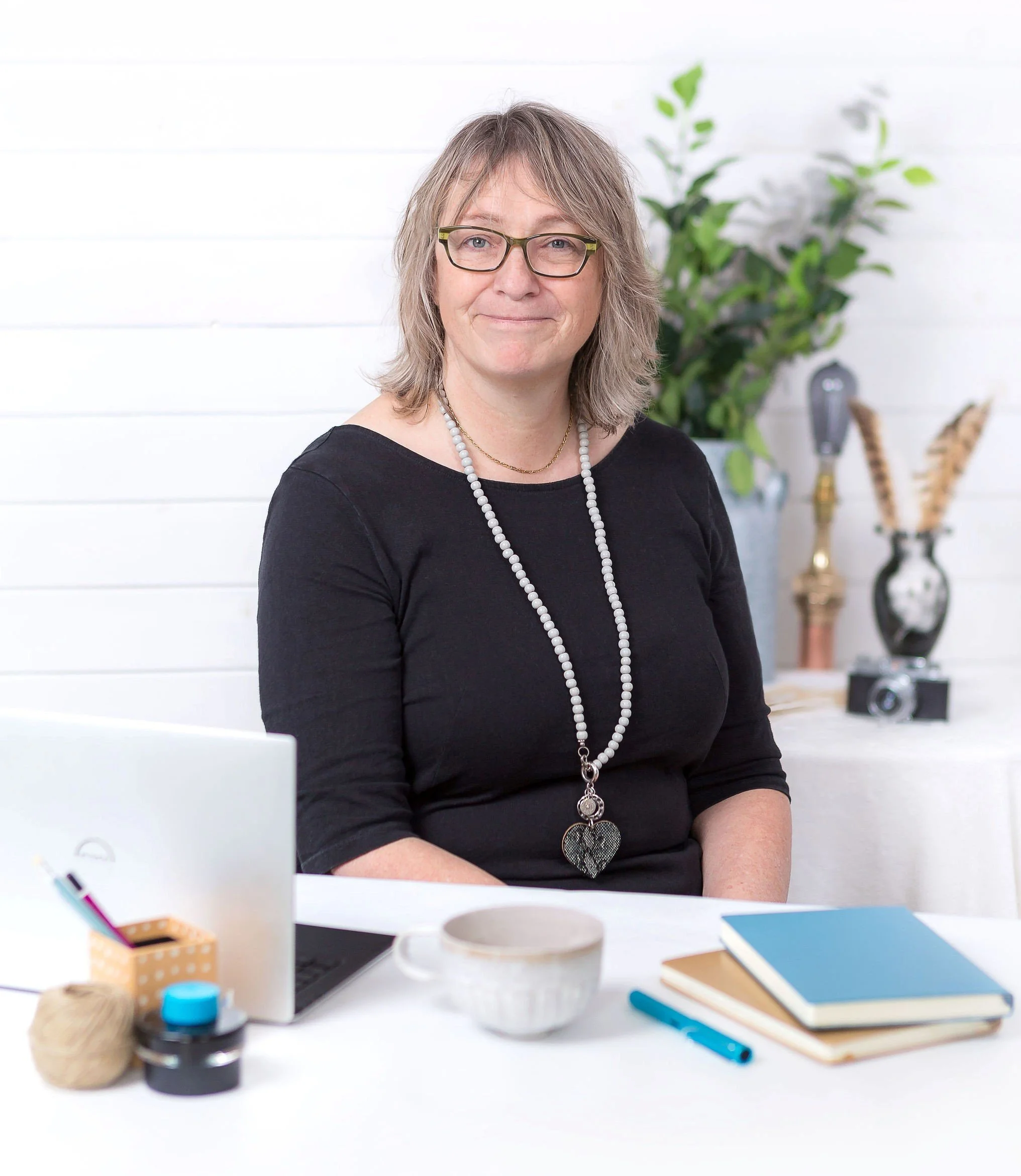
Davina Robertson MA
Psychotherapy
Feeling that we don’t belong creates our deepest wounds
I work with the shame of not-belonging
The sense, learned early, that we had to be different from how we are in order to be accepted. For many of us it began at school—for others, anywhere a system or other people asked us to change ourselves to fit in.
Perhaps you're looking back and realising: maybe you weren't the problem. And yet you're still deeply affected by what you went through.
Perhaps you've spent your life masking or shrinking parts of yourself to feel safe—and the toll of that is catching up with you now.
Perhaps you've spent years trying to fit into systems that were never built for a mind like yours.
Perhaps watching your own child struggle to belong has cracked open something in you that never quite healed.
Perhaps you carry grief for the life you might have lived, if you'd been met and understood as you are.
I work with adults who want to understand and heal what these early experiences did to them—whether that was recent or decades ago. Sometimes people come to me because of their child; but the work we do is your own—your belonging, your story, your healing.
This isn't about strategies or techniques. It's about healing the emotional toll this journey takes, and finding a different story about what happened then, and what's happening now.
When we're told we don't belong, we internalise it as shame—that sick feeling that something is wrong with us.
A neurodiversity lens
Many of us are neurodivergent—autistic, ADHD, gifted or twice-exceptional (2e). Sometimes we didn't know this until many years into adulthood. Sometimes we don’t have any diagnosis and we don’t know how to account for our experience.
A neurodiversity lens can help us to understand: we aren't the problem. The system simply wasn't designed for minds and physiologies like ours.
Neurodivergence takes many forms, and it often travels in company. You might recognise yourself in some of these: autism, ADHD, high sensitivity (as a highly sensitive person), rejection sensitive dysphoria (RSD), a PDA profile (pathological demand avoidance, or as many prefer, a persistent drive for autonomy), dyslexia, dyspraxia, dyscalculia, or the particular complexity of giftedness.
Many of us carry more than one, named or unnamed, diagnosed or simply suspected. You don't need a label, or the "right" ones, to belong here.
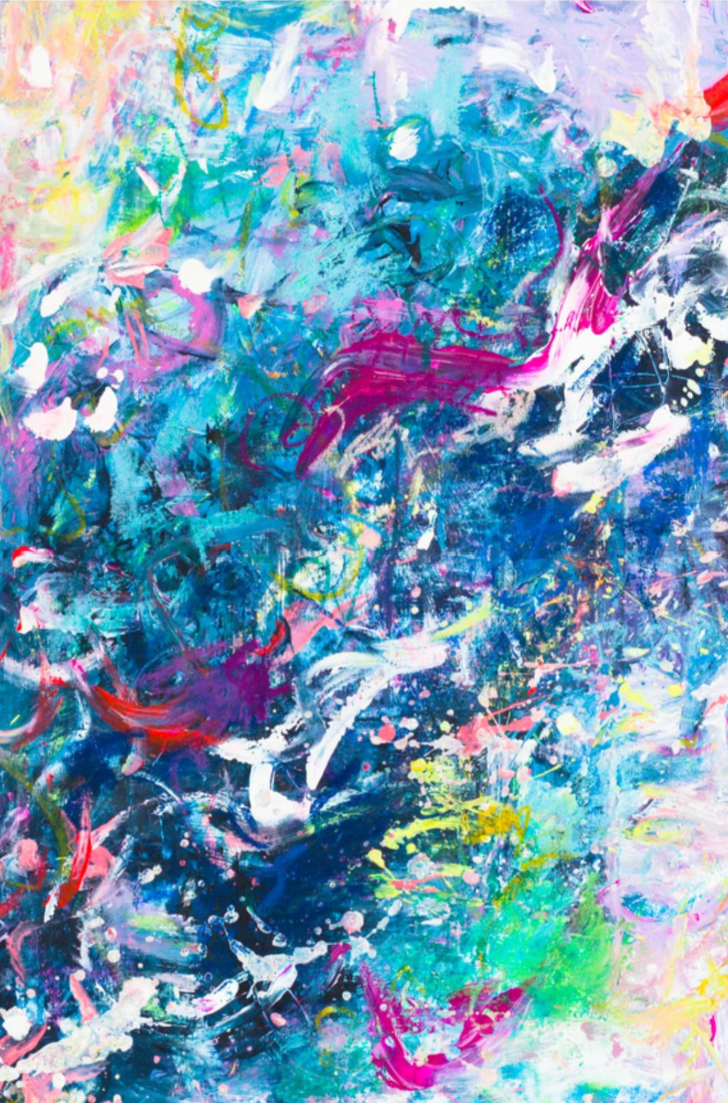
Original painting by Sarah Wasey of the heart of you on Substack.
Our work together can support you to move:
from shame to knowing you are enough and never too much
from trauma reactions to feeling calm and grounded
…with the understanding that you've always done the best you could in a system that wasn't built for you.
Maybe you want to...
Build a new narrative about the past
Reclaim trust in your own knowing about what you need now
Stop carrying shame that never belonged to you, and offer yourself the kindness you deserve
Explore whether a neurodivergent lens helps you see yourself clearly—not as a problem to be fixed
Consider whether your complexity, sensitivity, or need for meaning points to giftedness—rather than being "too much"
Create a personal map of your own neurobiology with its unique strengths and challenges
I know this territory intimately—from all sides.
I watched my own son struggle. I spent years fighting for schools to understand him whilst I didn't fully understand him myself. Over twenty years ago now, when he was nineteen, he took his own life.
I experienced exclusion at school. Then I sought belonging in risky ways that harmed me.
Later I worked as a teacher and a head of year in a large comprehensive school and I saw how things worked, and too often failed to work effectively, for young people, from that perspective too.
I understand the years of internalised shame. The exhaustion of fighting for your child. The trauma held in your body from your own schooling. That's the work we can do together.
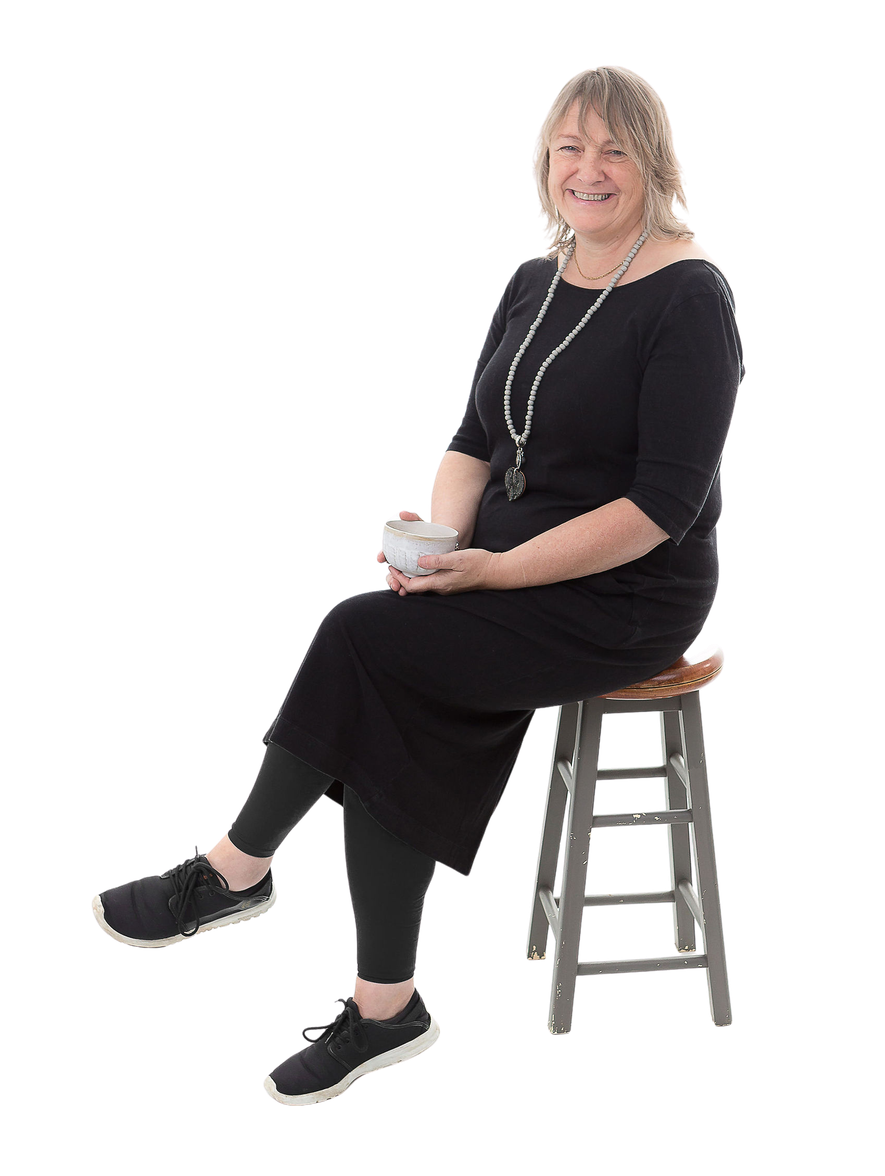
I'm Davina
I'm a qualified and experienced psychotherapist, with trauma at the centre of my training and practice.
I have many years of lived experience—as someone the system failed, as a parent who fought for my son, as someone who lost him, and now as a grandparent still walking this path.
I identify as gifted and neurodivergent myself and take a neuro-affirming stance in my practice.
My focus is on helping you process the trauma, find your voice, and reclaim yourself.
Ways to work with me
I offer individual psychotherapy in the format that works best for you:
Video Therapy Weekly online sessions for those who prefer real-time connection and the relational presence of face-to-face work.
Phone Therapy Weekly online sessions for those who prefer real-time connection without being on camera—helpful if video feels draining, or on days when it's easier to talk than to be seen.
Email Therapy For those who find writing allows deeper reflection, need flexibility around unpredictable schedules, or simply communicate better in written form. Many neurodivergent individuals find email therapy particularly helpful.